Roger Abrantes

Abstract
The persistence of altruistic behaviour has long presented a challenge for evolutionary theory because behaviours that reduce an individual’s own fitness while benefiting others appear vulnerable to replacement by selfish alternatives. Classical explanations, including kin selection, reciprocal altruism, group selection, and gene-centred approaches, have generally addressed this problem by assuming competition between genetic determinants of altruistic and selfish behaviour.
Following Yakubu’s (2013) critique of this assumption, this paper explores the possibility that altruistic and selfish behaviours are not expressions of competing alleles but rather plastic phenotypic expressions of the same genotype, their deployment depending upon ecological, developmental, and social conditions. Evidence from social insects and vertebrates is reviewed in support of this interpretation.
However, replacing competing genetic determinants with phenotypic plasticity does not entirely eliminate the evolutionary problem. It merely shifts it from the genetic to the ecological level. If altruism and selfishness are alternative expressions of the same genotype, evolutionary theory must still explain the conditions under which one behavioural strategy is favoured over another, and why both persist within populations.
The paper argues that this question belongs to the domain of evolutionarily stable strategies and frequency-dependent selection. In this view, phenotypic plasticity and ESS theory are not competing explanations but complementary ones: the former may explain the coexistence of altruistic and selfish tendencies within individuals, whereas the latter may explain their persistence within populations.
Keywords: altruism; phenotypic plasticity; evolutionarily stable strategy (ESS); behavioural ecology; phenotypic gambit; frequency-dependent selection; evolutionary game theory; ASP model
1. Introduction
Altruism refers to unselfishness, selflessness, or the regard for others as a guiding principle, in contrast to egoism or selfishness. Although the term is commonly used in everyday language, its meaning and implications are complex and have long posed significant questions for biologists, philosophers, and other scientists. Defining altruism is not as straightforward as it may initially appear. Furthermore, constructing a model in which such behaviour is both evolutionarily plausible and consistent with evolutionary theory remains a considerable challenge.
1.1. Etymology
Altruism derives from the French autrui, meaning “other people.” Autrui developed from the Old French autre = other, which itself comes from Latin alter = other (Oxford English Dictionary). The French autrui gave rise to altruisme, from which the English altruism was subsequently derived.
The English term has been in use since the middle of the nineteenth century. Its adoption was facilitated by the writings of Auguste Comte, the founder of positivism, who introduced altruisme as an antonym of egoism in his Système de politique positive (Comte, 1851–1854).
2. Definitions and Problems
In everyday language, altruism denotes unselfishness, selflessness, or concern for the welfare of others. Although these definitions appear intuitive, they become problematic when applied to biology. Before examining evolutionary explanations, it is therefore necessary to distinguish among three concepts that are frequently conflated.
First, ordinary-language altruism refers simply to behaviour intended to benefit another individual, irrespective of its underlying causes or consequences. This is the meaning most people have in mind when they describe an action as altruistic.
Second, psychological altruism concerns motivation. An action is psychologically altruistic only if it is performed solely for the benefit of another individual, without any expectation of reward or personal satisfaction. Whether such motivation exists has long been debated by philosophers and psychologists. Proponents of psychological egoism argue that even apparently selfless acts ultimately benefit the actor, for example through personal satisfaction or social approval (Slote, 1964).
Third, biological altruism is defined independently of motivation. In evolutionary biology, behaviour is considered altruistic when it increases another individual’s fitness at a cost to the actor’s own fitness. Whether such behaviour ultimately increases the actor’s inclusive fitness or is favoured through indirect mechanisms is a separate question.
Unless otherwise specified, the term altruism in this paper refers to biological altruism, since the evolutionary problem concerns fitness rather than intention.
This distinction allows us to identify many behaviours that may reasonably be interpreted as altruistic.
Parental care provides perhaps the clearest example. Parents invest considerable time and energy in feeding, protecting, and raising their offspring while incurring immediate energetic and reproductive costs. Female domestic dogs (Canis lupus familiaris), for example, nurse their pups, regurgitate food for them, defend them against predators, and guide their behavioural development over many weeks (Fox, 1972).
Among social canids, care extends beyond the parents. In golden jackals (Canis aureus), older offspring—usually female yearlings—frequently assist in rearing younger siblings by guarding, provisioning, and protecting them despite receiving no immediate reproductive benefit (Rogers & Kaplan, 2003).
However, apparent altruism does not necessarily imply altruistic mechanisms.
A striking example comes from a widely reported observation in the Samburu National Reserve, where a lioness repeatedly adopted an oryx calf rather than killing it (David Sheldrick Wildlife Trust, 2008). Although this behaviour appears extraordinarily altruistic, it is more plausibly explained as an expression of maternal behaviour triggered under unusual hormonal conditions than as an adaptation specifically favouring unrelated individuals.
Behaviour that appears altruistic may therefore arise from mechanisms unrelated to altruism itself. These examples illustrate an important methodological principle: behaviour should not be classified as altruistic solely on the basis of its apparent outcome. Similar behavioural patterns may arise from different biological mechanisms.
These difficulties have accompanied the study of altruism since the beginnings of evolutionary theory.
Darwin recognised the problem explicitly in The Descent of Man:
“It is extremely doubtful whether the offspring of the more sympathetic and benevolent parents, or of those who were the most faithful to their comrades, would be reared in greater numbers than the children of selfish and treacherous parents belonging to the same tribe. He who was ready to sacrifice his life, as many a savage has been, rather than betray his comrades, would often leave no offspring to inherit his noble nature.” (Darwin, 1871, p. 163)
3. The Altruism Paradox
In classical formulations of the altruism problem, evolutionary biologists typically assume the existence of a gene that causes its bearer to behave altruistically toward others, while individuals lacking that gene behave selfishly. As Samir Okasha writes, “the altruists will be at a fitness disadvantage, so we should expect the altruistic gene to be eliminated from the population” (Okasha, 2009).
In other words, how can an altruistic gene, coding for a phenotype that incurs fitness costs, survive competition against a selfish gene coding for a phenotype with higher direct fitness? This is the altruism paradox.
As we shall see, there may be a way around this difficulty. Before exploring that possibility, however, we must first review the traditional evolutionary explanations. Whether such a way around removes the paradox entirely remains an open question.
4. Classical Evolutionary Explanations
4.1 Group selection
Group selection is a proposed mechanism of evolution in which natural selection operates at the level of the group rather than exclusively at the level of the individual (Wynne-Edwards, 1962; Lorenz, 1963).
Darwin, in The Descent of Man (1871), attempted to explain the evolution of human altruism as a selection process acting at the group level:
“When two tribes of primeval man, living in the same country, came into competition, if (other things being equal) the one tribe included a great number of courageous, sympathetic and faithful members, who were always ready to warn each other of danger, to aid and defend each other, this tribe would succeed better and conquer the other.” (Darwin, 1871, p. 162)
Darwin’s explanation may strike the modern reader as somewhat non-Darwinian, illustrating the magnitude of the problem he was attempting to solve.
A winner has no evolutionary impact per se unless it possesses greater Darwinian or inclusive fitness, that is, a greater genetic contribution to the next generation’s gene pool relative to the population average. An altruist may prevail in a particular contest, but if its Darwinian and inclusive fitness are nil, altruism ends with it. If altruism survives even though altruistic individuals perish without leaving offspring, then the expression survival of the fittest cannot be interpreted literally, for the fittest are ultimately those who leave the greatest number of copies of themselves in successive generations.
This issue has concerned many researchers since Darwin, among them Hamilton (1964). As Wilson & Wilson (2007, p. 329-330) write, “something more than natural selection within single groups is required to explain how altruism and other group-advantageous traits evolve by natural selection.”
For natural selection to favour altruism in a broader context, the within-group disadvantage of altruists must be offset by the between-group advantage enjoyed by groups containing altruists (Taylor & Nowak, 2007). As Nowak (2012) and Allen et al. (2012) observe, “cooperation is always vulnerable to exploitation by defectors; hence, the evolution of cooperation requires specific mechanisms that allow natural selection to favour cooperation over defection.”
For group selection to be viable, variation between groups must exceed variation within groups. Since selection acts upon phenotypes, competition and selection may occur at multiple organisational levels. Accordingly, Wilson (2015, p. 145) argues that:
“At all scales, there must be mechanisms that coordinate the right kinds of action and prevent disruptive forms of self-serving behaviour at lower levels of social organisation.”
He summarises the issue succinctly:
“Selfishness beats altruism within groups. Altruistic groups beat selfish groups. Everything else is commentary.” (Wilson, 2015, p. 70)
As we shall see, not everyone agrees with this conclusion. Between-group selection is possible in principle, although it is generally considered weaker than selection occurring within groups. Therefore, if we are to explain behaviour performed for the good of the group, we may need to do so without relying exclusively on group selection.
Indeed, many influential explanations for the evolution of cooperative and altruistic behaviour—including kin selection, reciprocal altruism, and gene-centred selection—were originally developed as alternatives to classical group selection.
4.2 Kin Selection
To explain altruism, we must find a way for natural selection to favour altruistic genes, as proposed by the theory of kin selection (Hamilton, 1964). Kin selection is an evolutionary mechanism whereby behaviours that reduce an individual’s direct fitness may nevertheless evolve because they increase the reproductive success of genetically related individuals. It is, therefore, a form of kin altruism based on inclusive fitness. The term kin selection was introduced by Maynard Smith (1964).
Darwin had already anticipated the basic idea in The Origin of Species (1859), arguing that a selective advantage accruing to “the same stock” could allow a trait to evolve even if it proved costly to particular individuals (Darwin, 1859). Several decades later, Ronald A. Fisher and J. B. S. Haldane formalised the mathematical foundations of kin selection (Fisher, 1930; Haldane, 1932). According to Maynard Smith, Haldane famously summarised the implications of his calculations by remarking that he would be prepared to lay down his life for “two brothers or eight cousins” (Maynard Smith, 1976).
Hamilton’s inclusive fitness rule states that kin selection will increase the frequency of an altruistic trait when the genetic relatedness between recipient and donor multiplied by the reproductive benefit to the recipient exceeds the reproductive cost to the donor:
rB > C
where:
- r = genetic relatedness of the recipient to the donor,
- B = reproductive benefit gained by the recipient,
- C = reproductive cost to the donor.
Thus, kin selection may be regarded as a particular consequence of gene selection. According to the theory, the degree to which altruistic behaviour should be extended toward others depends on their coefficient of relationship to the actor. There are two principal ways in which this may occur: through kin recognition and through association with nearby relatives (Hamilton, 1964).
Kin selection is not the same as group selection. In kin selection, genes spread because they benefit genetically related individuals carrying copies of those genes. In group selection, by contrast, a genetic trait becomes widespread because it benefits the group as an entity.
4.3 Reciprocal Altruism
Reciprocal altruism is any behaviour in which a donor incurs an immediate fitness cost while increasing a recipient’s fitness, with the expectation of future reciprocation (Trivers, 1971). The reduction in fitness is therefore temporary rather than permanent. The mechanism resembles the tit-for-tat strategy familiar from game theory (Rapoport, 1966).
Reciprocal altruism, often regarded as an instance of the prisoner’s dilemma (Mérő, 1998), is evolutionarily viable if the probability of repeated interactions between individuals is sufficiently high or if interactions continue over a sufficiently long period (Trivers, 1971).
According to Trivers (1971), reciprocal altruism can evolve only if several conditions are fulfilled:
- individuals must have repeated opportunities for reciprocation;
- they must be able to recognise one another as individuals;
- they must remember previous interactions and obligations; and
- they must be motivated to reciprocate.
At first sight, such a system appears evolutionarily unstable, since selfish individuals could exploit altruists without reciprocating. Evolutionary theory has therefore sought mechanisms capable of maintaining cooperation in the face of cheating.
One proposed mechanism draws parallels between altruistic behaviour and exaggerated sexual ornaments. Both are costly in terms of fitness and readily observable. Consequently, both may function as honest signals maintained through the handicap principle. According to this principle, honest communication is costly to the signaler and can therefore be afforded only by high-quality individuals. Receivers can rely on the signal precisely because lower-quality individuals cannot sustain such costs (Fisher, 1930; Zahavi, 1975, 1977).
Another possible stabilising factor is the homogeneity norm. Changes in phenotype and function resulting from non-silent mutations often stand out within a population. Sexual individuals may therefore preferentially select mates exhibiting fewer unusual or minority characteristics. Given sufficient time, populations may consequently evolve relatively homogeneous morphological and behavioural repertoires. In a similar way, the behavioural repertoire of a population will become evolutionarily stable once it has developed to be as homogeneous as is the rule in most species. This includes any altruistic and cooperative features (Koeslag, 1997).
4.4 Gene-Centred Selection (The Selfish Gene)
When parents sacrifice themselves for their offspring, they may still benefit genetically because the coefficient of relatedness between parent and offspring is 0.5. From this perspective, apparently altruistic behaviour can be interpreted as genetically selfish. This is essentially Haldane’s extrapolation from kin selection.
For example, in wolves (Canis lupus lupus), it may pay for a parent to sacrifice its life to save two offspring because this, on average, preserves the equivalent of one complete copy of its own genome (Mech & Boitani, 2003). The calculation becomes more complicated, however, if we consider the offspring’s probability of survival in the absence of parental care. Sacrificing their lives to save one-week-old cubs would often be a poor evolutionary investment because the cubs are unlikely to survive without parental support. Under such circumstances, the better strategy may be for both parents to survive and retain the possibility of producing future offspring.
This model helps explain why individuals generally sacrifice more for their own offspring than for the offspring of relatives or unrelated individuals (Abrantes, 2015). What advocates of the selfish-gene approach emphasise, in agreement with kin selection and inclusive fitness theory, is that the primary unit of selection is the gene (Williams, 1966; Dawkins, 1976/1989).
In the gene-centred view, the gene is the unit of replication, whereas the organism is the vehicle through which genes interact with the environment and upon which selection acts directly. As Dawkins writes, “Natural selection favours some genes rather than others not because of the nature of the genes themselves, but because of their consequences—their phenotypic effects” (Dawkins, 1976/1989).
Because genes are selfish, they tend to promote selfish behaviour in the organisms they produce. Selfish, however, is used here in a strictly evolutionary sense, referring to the tendency of genes to maximise their own replication. Dawkins writes:
“Gene selfishness will usually give rise to selfishness in individual behaviour. However, there are special circumstances in which a gene can achieve its own selfish goals best by fostering a limited form of altruism at the level of individual animals.” (Dawkins, 1976/1989)
The selfish-gene model provides a powerful explanation for kin selection and eusociality. An organism may act against its immediate individual interests because, by supporting the reproduction of related individuals, it assists copies of its genes—or genes with similar phenotypic effects—in other bodies to replicate. Thus, selfish genes may produce unselfish organisms.
The survival of each gene depends on the survival of many others. Consequently, selfish genes are not necessarily uncooperative genes. To be successful, a gene must cooperate with the other genes that share its vehicle. Genes cooperate in building organisms because they share the same route into future generations. An organism is therefore a vehicle constructed by a cooperative of genes.
Vehicles are important, but replicators are essential. Darwinian natural selection remains conceivable without vehicles but not without replicators. Indeed, when life first emerged, there may have been replicators without vehicles.
From the selfish-gene perspective, a group is not a replicator because there is no equivalent of a gene pool at the group level. Nor is a group a vehicle, since the genes within a group do not necessarily share a common route into future generations.
Accordingly, selection acting at the group level is generally expected to be weaker than selection acting at the individual or gene level. Although simple forms of group selection have received little empirical support, more sophisticated multilevel formulations have proven useful in particular cases (Wilson & Wilson, 2007).
The debate remains unresolved. Wilson argues that, although the selfish-gene approach has become widely accepted, he, Martin Nowak, and Corina Tarnita demonstrated that inclusive fitness theory is “both mathematically and biologically incorrect” and that group selection provides a more realistic model of social evolution (Nowak et al., 2010; Wilson, 2012).
Dawkins rejects the replacement of kin selection with group selection. He does not deny that group selection may occur, but argues that even in those cases where it is applicable, it is cumbersome, time-consuming, and obscures what would otherwise be a straightforward evolutionary explanation.
Both Dawkins and Wilson agree that successful genes tend to prosper and replicate, and that group living may provide important evolutionary advantages under certain circumstances. Their disagreement concerns primarily the level at which selection is most profitably analysed.
Perhaps a consensus may eventually emerge through simulations that employ narrower, more precise definitions of groups and levels of selection, as illustrated by the cellular group-selection simulations of Markvoort et al. (2014).
5. Reformulating the Altruism Paradox—A Workaround
The classical formulation of the altruism paradox assumes competition between altruistic and selfish genetic strategies.
Perhaps this confirms an old philosophical intuition: an answer cannot be better than the question it addresses. What if we are asking the wrong question—and thereby creating the paradox ourselves?
The assumption that a distinct altruistic allele risks being overrun by a distinct selfish allele lies at the heart of all the models reviewed above.1
As Dawkins puts it, “cheat genes” are spreading through the population while “sucker genes” are driven to extinction (Dawkins, 1976/1989, p. 184). E. O. Wilson formulates the problem in similar terms: “How might such a behaviour evolve if the genes promoting it are at such a disadvantage in competition with genes that oppose it?” (Wilson, 2005, p. 159).
But suppose there are no two genotypes coding for the competing phenotypes of selfishness and altruism. Suppose instead that both phenotypes are alternative expressions of a single genotype, carrying both possibilities—not two competing alleles but one genotype with multiple behavioural options.
That is exactly what Yakubu (2013) does with his Altruism–Selfishness Plasticity (ASP) model. However, even if this reformulation succeeds at the genetic level, the question of why behavioural variation persists within populations remains, as we shall see.
For the sake of argument, let us therefore set aside, for a moment, the prevailing Altruism–Selfishness Allelomorphism (ASA) framework and explore what the ASP approach may contribute to the debate.2
6. Altruistic and Selfish Phenotypes as Plastic Expressions of a Single Genotype
Indeed, to consider altruistic and selfish phenotypes as plastic expressions of a single genotype rather than products of competing alleles (Yakubu, 2013) may provide a way around the altruism paradox.
Phenotypic plasticity is the property of a genotype to produce different phenotypes in response to different environmental conditions (Pigliucci, 2001). There is nothing unusual about such a process. Biologists have long recognised that a single genotype may give rise to multiple phenotypic outcomes depending on developmental, ecological, or social circumstances.
Originally, the term referred mainly to developmental modifications of morphological characters. Today, however, it encompasses virtually all phenotypic responses to environmental conditions, including morphological, physiological, and behavioural changes, as well as processes such as acclimatisation and learning (Kelly et al., 2012).
Several lines of evidence are consistent with the ASP model. It is entirely plausible that no distinct genotype codes either the altruistic or the selfish phenotype and that both are instead plastic expressions of the same genotype, deployed under different environmental circumstances.
If this is so, then the two phenotypes are not competitors at all. The evolutionary problem would then concern not the survival of competing genes but the circumstances governing alternative behavioural expressions. To borrow Dawkins’ metaphor, the same genotype may possess the plasticity to express itself either as a “cheater” or as a “sucker”, depending on ecological and social contingencies.
Yakubu (2013) provides substantial evidence consistent with such a reformulation of the altruism paradox. Let us review some of it.
7. Empirical Support for ASP
7.1 The Social Hymenoptera
The social Hymenoptera are favourites of evolutionary biologists because they are both highly social and haplodiploid. A honeybee (Apis mellifera) colony comprises three castes: a queen, a few hundred males (drones), and thousands of nonreproductive females (workers). The queen’s role is reproduction, while the drones’ role is to mate with queens. The workers, by contrast, maintain the colony, forage, care for the brood, and defend the nest against intruders. The reproductive queen represents the selfish phenotype, whereas the sterile workers are perhaps the closest approximation to pure altruism found in nature.
We may therefore ask whether distinct alleles for altruism and selfishness exist in eusocial populations, as classical formulations of the altruism problem implicitly assume. The evidence suggests otherwise.
Whether a larva develops into a queen or a worker depends initially on where the egg is laid and subsequently on the nutrition the larva receives (Winston, 1987). Larvae reared in queen cells are fed royal jelly (Prete, 1990), whereas larvae reared in worker cells receive worker food. Remarkably, the former become queens while the latter become workers. The eggs and young larvae are therefore developmentally totipotent—or perhaps multipotent, according to this author’s interpretation (Winston, 1987).
The honeybee provides even stronger evidence for phenotypic plasticity. Eggs and larvae transferred from queen cells to worker cells, or vice versa, will develop according to the nutritional and environmental conditions they experience, provided the transfer occurs sufficiently early in development (Winston, 1987).
Thus, the queen-worker distinction does not arise from distinct genotypes. Whether an individual becomes a selfish reproducer or an altruistic worker depends primarily upon environmental cues.
Caste differentiation occurs through epigenetic mechanisms whereby non-heritable factors influence gene expression. Both queens and workers arise from the same genome, while royal jelly acts as the principal environmental trigger. The genes encoding the major royal jelly proteins constitute one of the clearest examples of gene families acquiring novel functions during the evolution of sociality (Albert et al., 1999).
Researchers have sequenced the honeybee genome (Honeybee Genome Sequencing Consortium, 2006), and several genes whose differential expression contributes to queen and worker development are now known. Evans and Wheeler (1999) identified transcripts of seven genes that are differentially expressed in queen-destined and worker-destined larvae during critical stages of development. These findings provide a particularly striking example of phenotypic plasticity mediated by differential gene expression.
7.2 Social Environmental Circumstances
Let us now consider non-eusocial social organisms. Trivers explained the altruistic behaviour of vampire bats within the framework of reciprocal altruism (Trivers, 1971). However, the same observations can also be interpreted without postulating distinct altruistic and selfish genotypes.
Hungry vampire bats frequently solicit food from better-fed individuals. Sometimes the recipient receives regurgitated blood; sometimes the donor refuses to share.
Trivers was undoubtedly correct regarding the reciprocal nature of this behaviour. Whether an individual shares blood depends largely on whether the recipient has shared previously or is expected to reciprocate in the future (Wilkinson, 1984). The same individual may therefore behave altruistically under some circumstances and selfishly under others. The remaining question is why populations nevertheless differ so consistently in the relative frequencies of these behaviours.
This observation is entirely compatible with reciprocal altruism (Yakubu, 2013). However, because genotypes do not change from one day to the next, it appears more parsimonious to interpret these behavioural alternatives as plastic expressions of the same genotype.
Similar patterns occur in other social species. Adult male olive baboons (Papio anubis) assist group members based on prior interactions and expectations of future cooperation (Packer, 1977).
The phenomenon of efficient coercion provides another example. In ten social insect species studied by Wenseleers and Ratnieks (2006), social sanctions maintained altruistic behaviour under circumstances in which selfish behaviour would otherwise have been expected.
Altruistic individuals may also become selfish when ecological and social conditions change. In white-fronted bee-eaters (Merops bullockoides), young males often become helpers because older males prevent them from establishing their own nests. Some later become breeders themselves and cease helping behaviour (Emlen & Wrege, 1992).
Similarly, lower-ranking female meerkats may behave cooperatively while subordinate but become reproductively competitive upon attaining higher rank, sometimes killing the offspring of subordinate females (Young & Clutton-Brock, 2006).
Social organisms may therefore assume subordinate roles not because they possess altruistic genes, but because those roles constitute the best available strategy under prevailing conditions (Gadagkar, 1997).
Taken together, these examples are consistent with the hypothesis that altruism and selfishness represent alternative phenotypic expressions available to the same genotype. Individuals behave altruistically under some ecological and social conditions and selfishly under others.3 No evidence has yet demonstrated that only certain individuals are capable of altruistic behaviour, while others are capable only of selfish behaviour, when exposed to the same circumstances (Yakubu, 2013).
8. Canines as an Illustration
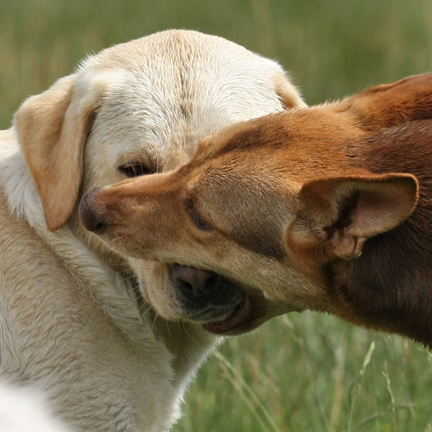
Canines provide a familiar illustration of the behavioural flexibility discussed above. They readily cooperate against rivals, a widespread form of territorial behaviour among companion dogs, free-ranging dogs, and wild canids (Mech & Boitani, 2003; Fox, 1972). They also defend their household, including human and non-human members of the family group. Females invest heavily in rearing and protecting their offspring, often at considerable energetic cost to themselves (Fox, 1972).
These behaviours may reasonably be interpreted as altruistic, notwithstanding the conceptual difficulties surrounding the term discussed earlier. At the same time, the very same individuals may compete fiercely over food, mates, territory, or social status (Abrantes, 2015; Mech & Boitani, 2003).
Thus, canines appear capable of expressing both cooperative and selfish behavioural strategies according to ecological and social circumstances. A cautious conclusion would therefore be that dogs exhibit forms of reciprocal altruism and cooperation under appropriate conditions, precisely as the Altruism–Selfishness Plasticity (ASP) model predicts. The persistence of such behavioural variation, however, still requires an evolutionary explanation at the population level.
9. Beyond ASP: Plasticity, Bias, and Evolutionarily Stable Strategies
The ASP model resolves an important difficulty in the classical formulations of altruism by removing the assumption that altruistic and selfish behaviours are encoded by competing alleles. Instead, both become alternative phenotypic expressions available to the same genotype and deployed according to ecological, developmental, and social circumstances (Yakubu, 2013).
However, this reformulation does not eliminate the evolutionary problem altogether. It merely relocates it.
If altruism and selfishness are not competing genes, we must still explain why populations continue to exhibit both behavioural tendencies. Why do some individuals, groups, and even species appear consistently more cooperative, submissive, or altruistic, while others display a greater tendency toward competition, dominance, or selfishness?
Part of this variation is undoubtedly attributable to environmental influences and learning history. Experience matters. Development matters. Social circumstances matter. Yet these factors alone do not seem sufficient to explain the full extent of the observed differences.
Behavioural ecologists have long recognised that individuals differ consistently in their behavioural tendencies. Some individuals behave more boldly than others, some more aggressively, some more tolerantly, and some more cooperatively. Such differences often persist over long periods and frequently show significant heritability (Dingemanse et al., 2010).
This suggests that although there may be no genes that directly encode altruism or selfishness, there may nevertheless be genetic influences that bias the probability of expressing one behavioural option rather than another (Pigliucci, 2001; Kelly et al., 2012).
The distinction is important.
Genes need not determine whether an individual behaves altruistically or selfishly in a particular encounter. Instead, they may influence thresholds, sensitivities, reaction norms, and response probabilities. Two individuals may possess the same behavioural repertoire while differing substantially in the circumstances under which particular behaviours are expressed.
To illustrate, two wolves may both be capable of cooperation, submission, competition, and aggression. One may cooperate readily and escalate reluctantly, whereas another may escalate quickly and cooperate only under strong incentives. Both individuals possess the same behavioural options. What differs are the probabilities and thresholds governing their expression (Abrantes, 1997; Mech & Boitani, 2003).
Thus, the issue may not concern genes for altruism versus genes for selfishness, but rather genes influencing the probability that one strategy will be deployed rather than another under particular ecological and social conditions.
If this is correct, then the problem returns to the domain of evolutionary game theory and evolutionarily stable strategies (Maynard Smith, 1964; Nowak, 2012).
Natural selection is indifferent to the genetic mechanisms underlying behaviour. It operates upon phenotypes. What succeeds tends to persist; what fails tends to disappear.
In this respect, we are back to the spirit of the phenotypic gambit (Grafen, 1984). Evolution need not concern itself with the precise genetic architecture underlying behaviour. It acts upon phenotypes and behavioural strategies because, as always, what works, works.
Consequently, the persistence of altruistic and selfish tendencies within populations may depend less upon their genetic implementation than upon their costs and benefits under prevailing ecological and social conditions. Under some circumstances, selfish strategies will outperform altruistic ones and increase in frequency. However, if selfishness becomes too common, the social environment itself may deteriorate to such an extent that cooperative strategies once again become advantageous. Conversely, populations dominated by altruistic individuals may create opportunities for exploitation by selfish individuals, thereby favouring the re-emergence of selfish strategies.
The result may be a dynamic equilibrium maintained by frequency-dependent selection rather than by the persistence of competing genes (Taylor & Nowak, 2007; Allen et al., 2012).
From this perspective, the Darwinian algorithm remains entirely intact. The object of selection simply changes.
If so, the ASP model and ESS theory are not competing explanations but complementary ones. ASP may help explain why altruism and selfishness coexist within an individual’s behavioural repertoire. ESS may add a further level of explanation for why both tendencies continue to persist within populations.
The altruism paradox may therefore disappear at the genetic level while appearing to re-emerge at the ecological level, but only as a pseudo-paradox, for it is in reality simply a problem of strategy rather than heredity.
10. Conclusion
This paper has argued that the altruism paradox may arise from a shared assumption underlying the classical models: namely, that altruistic and selfish behaviours are encoded by distinct competing genetic strategies. Following Yakubu (2013), we have explored the possibility that both are better understood as plastic expressions of the same genotype, their expression determined by ecological, developmental, and social conditions.
The ASP model is an alternative explanatory framework rather than a replacement for kin selection, reciprocal altruism, group selection, or gene-centred approaches. These theories may continue to explain important aspects of social evolution even if altruistic and selfish behaviours prove to be plastic expressions of the same genotype.
At the genetic level, the altruism paradox may therefore disappear. If there are no altruistic genes competing against selfish genes, there is no longer any genetic competition to explain.
At the ecological level, however, the problem remains very much alive. Altruism exists. Selfishness exists. Both persist, and their frequencies vary enormously among individuals, groups, populations, and species.
The question therefore changes rather than disappears. Instead of asking how altruistic genes survive competition with selfish genes, we ask under what ecological and social conditions altruistic and selfish phenotypes are favoured and maintained.
That is ESS territory.
It returns the problem to the domain of evolutionarily stable strategies, frequency-dependent selection, and the Darwinian algorithm itself. ASP may explain why altruism and selfishness coexist within individuals. ESS may help explain why both continue to coexist within populations.
The implications of this perspective may extend beyond altruism. Other behaviours traditionally regarded as genetically distinct phenotypes may likewise prove to be plastic expressions of a common genotype whose expression is biased by heredity and shaped by developmental, ecological, and social conditions.
Perhaps the altruism paradox was never asking how altruistic genes survive selfish ones, but under what circumstances evolution favours one expression of life over another.
Sometimes the difficult part is not finding the answer. It is discovering which question evolution has actually been answering all along.
Footnotes
- Yakubu (2013, pp. 105–106) notes that the conventional approach to altruism “implies that the altruist and non-altruist are distinguishable genetically by the possession (or lack thereof), of ‘a gene for altruism.’ In other words, we assume a genetic basis for the contrasting behaviors of altruism and selfishness.” ↩︎
- Yakubu (2013, p. 106) writes: “In modeling the evolution of altruism, extant models build upon this template, in which they usually assume altruism and selfishness to be the contrasting alleles A1 and A2—the phenotypic gambit.” He refers to this framework as the Altruism Selfishness Allelomorphism (ASA) and contrasts it with the Altruism Selfishness Plasticity (ASP) model, in which altruism and selfishness are “alternative phenotypes of a single plastic genotype.” ↩︎
- Discussing social organisms, Yakubu (2013, p. 112) observes that “individuals are often able to make transitions between the two phenotypes in response to changes in their social environment,” a finding he regards as inconsistent with models assuming separate altruistic and selfish genotypes. ↩︎
References
Abrantes, R. (1997). The evolution of canine social behavior. Wakan Tanka Publishers.
Abrantes, R. (2015). Ethology—The study of animal behaviour in the natural environment. Wakan Tanka Publishers.
Albert, S., Bhattacharya, D., Klaudiny, J., Schmitzova, J., & Simuth, J. (1999). The family of major royal jelly proteins and its evolution. Journal of Molecular Evolution, 49(2), 290–297.
Allen, B., Traulsen, A., Tarnita, C. E., & Nowak, M. A. (2012). How mutation affects evolutionary games on graphs. Journal of Theoretical Biology, 299, 97–105. https://doi.org/10.1016/j.jtbi.2011.07.008
Comte, A. (1851–1854). Système de politique positive, ou traité de sociologie instituant la religion de l’humanité (Vols. 1–4). Carilian-Gœury et V. Dalmont.
Dawkins, R. (1976/1989). The selfish gene (2nd ed.). Oxford University Press.
Darwin, C. (1859). On the origin of species by means of natural selection. John Murray.
Darwin, C. (1871). The descent of man, and selection in relation to sex (1st ed.). John Murray.
David Sheldrick Wildlife Trust. (2008, January 24). An amazing true story. Retrieved October 10, 2017, from https://www.sheldrickwildlifetrust.org/news/updates/an-amazing-true-story
Dingemanse, N. J., Kazem, A. J. N., Réale, D., & Wright, J. (2010). Behavioural reaction norms: Animal personality meets individual plasticity. Trends in Ecology & Evolution, 25(2), 81–89. https://doi.org/10.1016/j.tree.2009.07.013
Emlen, S. T., & Wrege, P. H. (1992). Parent–offspring conflict and the recruitment of helpers among bee-eaters. Nature, 356, 331–333. https://doi.org/10.1038/356331a0
Evans, J. D., & Wheeler, D. E. (1999). Differential gene expression between developing queens and workers in the honey bee, Apis mellifera. Proceedings of the National Academy of Sciences of the United States of America, 96(10), 5575–5580. https://doi.org/10.1073/pnas.96.10.5575
Fisher, R. A. (1930). The genetical theory of natural selection. Clarendon Press.
Fox, M. W. (1972). Behaviour of wolves, dogs and related canids. Harper & Row.
Gadagkar, R. (1997). Survival strategies: Cooperation and conflict in animal societies. Harvard University Press.
Grafen, A. (1984). Natural selection, kin selection and group selection. In J. R. Krebs and N. B. Davies (Eds.), Behavioural ecology: An evolutionary approach (2nd ed., pp. 62–84). Blackwell Scientific Publications.
Haldane, J. B. S. (1932). The causes of evolution. Longmans, Green and Co.
Hamilton, W. D. (1964). The genetical evolution of social behaviour. I & II. Journal of Theoretical Biology, 7(1), 1–16, 17–32. https://doi.org/10.1016/0022-5193(64)90038-4
The Honeybee Genome Sequencing Consortium. (2006). Insights into social insects from the genome of the honeybee Apis mellifera. Nature, 443(7114), 931–949. https://doi.org/10.1038/nature05260
Kelly, S. A., Panhuis, T. M., & Stoehr, A. M. (2012). Phenotypic plasticity: Molecular mechanisms and adaptive significance. Comprehensive Physiology, 2(2), 1417–1439. https://doi.org/10.1002/cphy.c110008
Koeslag, J. H. (1997). Sex, the Prisoner’s Dilemma game, and the evolutionary inevitability of cooperation. Journal of Theoretical Biology, 189(1), 53–61. https://doi.org/10.1006/jtbi.1997.0496
Lorenz, K. (1963). Das sogenannte Böse: Zur Naturgeschichte der Aggression. Dr. G. Borotha-Schoeler Verlag.
Markvoort, A. J., Sinai, S., & Nowak, M. A. (2014). Computer simulations of cellular group selection reveal mechanisms for sustaining cooperation. Journal of Theoretical Biology, 357, 123–133. https://doi.org/10.1016/j.jtbi.2014.05.016
Maynard Smith, J. (1964). Group selection and kin selection. Nature, 201(4924), 1145–1147. https://doi.org/10.1038/2011145a0
Maynard Smith, J. (1976, July 29). Letter to the editor. New Scientist, 71, 247.
Mech, L. D., & Boitani, L. (Eds.). (2003). Wolves: Behavior, ecology, and conservation. University of Chicago Press.
Mérő, L. (1998). The Prisoner’s Dilemma. In Moral calculations (pp. 97–122). Springer. https://doi.org/10.1007/978-1-4612-1654-4_3
Nowak, M. A. (2012). Evolving cooperation. Journal of Theoretical Biology, 299, 1–8. https://doi.org/10.1016/j.jtbi.2012.01.014
Nowak, M. A., Tarnita, C. E., & Wilson, E. O. (2010). The evolution of eusociality. Nature, 466(7310), 1057–1062. https://doi.org/10.1038/nature09205
Okasha, S. (2009). Biological altruism. In E. N. Zalta (Ed.), The Stanford Encyclopedia of Philosophy (Winter 2009 ed.). https://plato.stanford.edu/archives/win2009/entries/altruism-biological/
Oxford English Dictionary. (n.d.). Altruism. In Oxford English Dictionary. Oxford University Press. Retrieved October 10, 2017, from https://www.oed.com/
Packer, C. (1977). Reciprocal altruism in olive baboons. Nature, 265(5593), 441–443. https://doi.org/10.1038/265441a0
Pigliucci, M. (2001). Phenotypic plasticity: Beyond nature and nurture. Johns Hopkins University Press.
Prete, F. R. (1990). The conundrum of the honey bees: One impediment to the publication of Darwin’s theory. Journal of the History of Biology, 23(2), 271–290.
Rapoport, A. (1966). Two-person game theory: The essential ideas. University of Michigan Press.
Rogers, L. J., & Kaplan, G. (2003). Spirit of the wild dog: The world of wolves, coyotes, foxes, jackals and dingoes. Allen & Unwin.
Slote, M. A. (1964). An empirical basis for psychological egoism. The Journal of Philosophy, 61(18), 530–537.
Taylor, C., & Nowak, M. A. (2007). Transforming the dilemma. Evolution, 61(10), 2281–2292. https://doi.org/10.1111/j.1558-5646.2007.00196.x
Trivers, R. L. (1971). The evolution of reciprocal altruism. The Quarterly Review of Biology, 46(1), 35–57. https://doi.org/10.1086/406755
Wenseleers, T., & Ratnieks, F. L. W. (2006). Enforced altruism in insect societies. Nature, 444(7115), 50. https://doi.org/10.1038/444050a
Wilkinson, G. S. (1984). Reciprocal food sharing in the vampire bat. Nature, 308(5955), 181–184. https://doi.org/10.1038/308181a0
Williams, G. C. (1966). Adaptation and natural selection: A critique of some current evolutionary thought. Princeton University Press.
Wilson, D. S. (2015). Does altruism exist? Culture, genes, and the welfare of others. Yale University Press.
Wilson, D. S., & Wilson, E. O. (2007). Rethinking the theoretical foundation of sociobiology. The Quarterly Review of Biology, 82(4), 327–348. https://doi.org/10.1086/522809
Wilson, E. O. (2005). Kin selection as the key to altruism: Its rise and fall. Social Research, 72(1), 159–166.
Wilson, E. O. (2012). The social conquest of Earth. Liveright Publishing.
Winston, M. L. (1987). The biology of the honey bee. Harvard University Press.
Wynne-Edwards, V. C. (1962). Animal dispersion in relation to social behaviour. Oliver & Boyd.
Yakubu, Y. (2013). The altruism paradox: A consequence of mistaken genetic modeling. Biological Theory, 8(2), 103–113. https://doi.org/10.1007/s13752-013-0120-4
Young, A. J., & Clutton-Brock, T. (2006). Infanticide by subordinates influences reproductive sharing in cooperatively breeding meerkats. Biology Letters, 2(3), 385–387. https://doi.org/10.1098/rsbl.2006.0463
Zahavi, A. (1975). Mate selection—A selection for a handicap. Journal of Theoretical Biology, 53(1), 205–214. https://doi.org/10.1016/0022-5193(75)90111-3
Zahavi, A. (1977). The cost of honesty (Further remarks on the handicap principle). Journal of Theoretical Biology, 67(3), 603–605. https://doi.org/10.1016/0022-5193(77)90061-3
Conflict of Interest Statement
The author declares that the research was conducted in the absence of any political, commercial or financial relationships that could be construed as a potential conflict of interest.